- Protect Your Nest
Fascia Repair in Ohio Fix the Board Your Gutters Are Pulling Away From
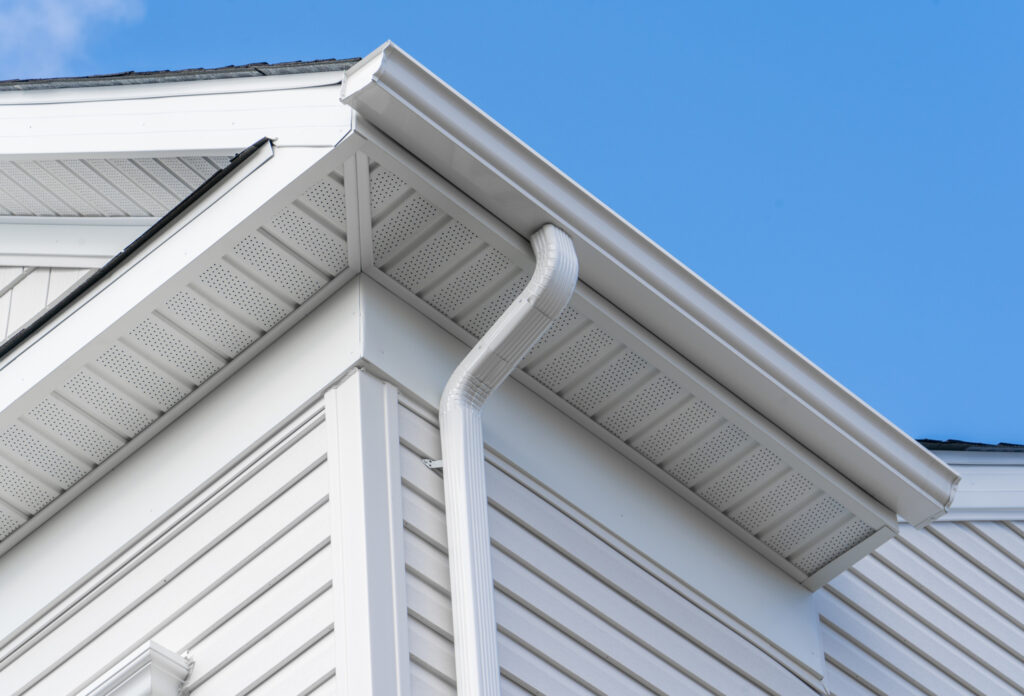
When gutters pull away from a house, the instinct is to blame the hangers. But in most cases, the hangers are fine — it’s the fascia board they’re screwed into that has softened from years of moisture exposure. The fasteners aren’t failing. The substrate is. Ohio Roof Masters repairs fascia at the source: identifying the specific failure, addressing any rafter tail damage behind it, and finishing with aluminum wrap so the problem doesn’t return through the same path.
Request A Free Quote
Years Serving Ohio
Porject Completed
Years Combined Experience
Office Locations
- Trusted & Certified
Our Certifications & Recognition
Ohio Roof Masters is certified by every major manufacturer – GAF, CertainTeed, Owens Corning, Atlas, James Hardie, and LP SmartSide. Plus, Directorii backs every project with up to $250,000 third-party protection, so you’re covered even if the unexpected happens.

BBB A+ Rating
GAF Certified Plus
CertainTeed Certification

Contractor Directorri

Contractor Directorri

Gold Elite Commercial Contractor

Owens Corning Preferred Contractor

Shingle Quality Specialist
The Fascia Problem That Looks Like a Cosmetic Issue — Until the Gutters Come Down
Fascia damage has a particular way of looking manageable right up until it isn’t. Paint peeling along the board face. A section that’s softened under the paint but hasn’t visibly rotted through yet. A gutter that was sagging last fall and has pulled away another half-inch this spring. Every one of these signals is telling the same story: moisture has been working on the fascia board from behind, and the surface is the last thing to show it.
The structural sequence matters here. Fascia protects the ends of the rafter tails — the framing members at the very edge of your roof. When fascia absorbs moisture over years of Ohio weather, it softens progressively from the interior face outward. By the time peeling paint or surface rot is visible from the ground, the board has typically been compromised long enough that the wood behind it has been affected too. The rafter tail ends that the fascia board is attached to are the first framing members to absorb that moisture, and they’re the structural substrate for both the fascia and the gutters above it.
At Ohio Roof Masters, a fascia repair assessment isn’t just about the visible board. It’s about what condition the framing behind it is in, what caused the moisture to reach the board in the first place — failed drip edge, backed-up gutters, missing caulk at a transition — and whether the damage is contained to the repair section or signals that a larger scope is building. You get a straight assessment with photos before any scope is agreed.
"If your gutters are pulling away, your fascia is likely the reason. We fix the board, check what's behind it, and make sure the same path can't deliver moisture to the same spot again."
What We Find on Ohio Fascia Repair Calls — and What's Behind Each Problem
Paint Peeling and Surface Deterioration
What’s happening: The paint on the fascia face is lifting, cracking, or peeling in sections — often in strips that run vertically where moisture has pushed through from behind.
Why it happens: Wood fascia absorbs moisture from two directions. Rainwater hits the board face directly when gutters overflow or slope improperly. More commonly, moisture from the attic-edge environment — condensation, ice dam melt — wicks into the board from the back, and expanding moisture pressure during freeze-thaw cycles pops the paint film from inside out.
Why it matters: Surface deterioration is the early signal. The board beneath is already past the point where repainting holds. Each freeze-thaw cycle in Ohio’s winter accelerates the moisture absorption in the wood beneath the failed paint layer. Acting at the paint-failure stage keeps the repair at a surface scope rather than a structural one.
How we repair it: We assess board hardness behind the peeling sections. Where the wood beneath is still structurally sound, we clean the surface, apply a weather-resistant primer, and wrap with custom-bent aluminum — ending the paint cycle permanently. Where the board has softened behind the paint, the section requires board replacement before aluminum finish is applied.
Soft or Rotted Board Sections
What’s happening: The fascia board has lost structural hardness in specific sections — visible rot, wood that compresses under probe pressure, or sections that have cracked along the grain.
Why it happens: Localized rot typically traces to a concentrated moisture source: a gutter seam that’s been leaking onto the same section of fascia for years, a downspout that discharges against the roofline rather than away from it, or a section of drip edge that’s failed and allowed water to run behind the fascia face rather than over it.
Why it matters: A soft or rotted fascia section has lost its ability to hold gutter hanger screws. Gutters attached to rotted fascia will pull away — and the softened board will continue to deteriorate, spreading into adjacent sound sections and into the rafter tails behind it if the moisture source isn’t addressed.
How we repair it: We identify the moisture source before touching the board. Once the source is confirmed and addressed, we remove the rotted section — probing adjacent areas to confirm the extent of the damage — install sound replacement board, and apply aluminum wrap over the repaired section. We confirm gutter hanger attachment in the repaired zone holds solid purchase before the gutters go back up.
Gutters Pulling Away from the Fascia
What’s happening: Gutter sections have separated from the roofline — hangers pulling free, gutters tilting forward or sagging between hanger points.
Why it happens: This is almost always a fascia substrate failure, not a hanger failure. The hanger screws have lost their bite because the wood they’re threading into has softened. Longer screws re-driven into the same location pull through the same softened fiber in the same season. The fix isn’t the hardware — it’s the substrate.
Why it matters: Gutters that have separated from the fascia lose their drainage pitch and begin to pool. Pooled water overflows at the low points, running directly against the foundation and fascia face, which accelerates the deterioration that caused the pull-away in the first place. Left unaddressed, gutter separation progresses from a section to a full-elevation problem.
How we repair it: We remove the affected gutter section, inspect the fascia board behind the hanger points, assess whether repair or board replacement is appropriate, address the substrate, and reinstall or replace the gutter with confirmed solid attachment. We don’t re-drive longer screws into compromised wood — that’s a 6-month solution to a structural problem.
Storm Blow-Off and Impact Damage
What’s happening: Wind events have partially or fully detached a fascia section, or impact damage has cracked or split the board face.
Why it happens: Ohio’s line storms and derecho-type wind events generate significant uplift at the roofline edge. Fascia that was already loosening from deteriorating fasteners is the first to go. Direct impact from falling branches or windborne debris can crack or split sound board.
Why it matters: Storm-damaged fascia is often documentable as an insurance claim. It also creates immediate moisture exposure at the rafter tail ends — sections that are open to the weather should be addressed before the next rain event.
How we repair it: We assess the full extent of storm damage, photograph findings for insurance documentation, and repair or replace the affected sections. If insurance is relevant, we provide written scope to support adjuster evaluation. We secure temporary weather protection for open sections during the repair scheduling window if needed.
Drip Edge Failure at the Fascia Face
What’s happening: The drip edge — the metal flashing that runs along the roof’s lower edge — has separated, corroded, or was never properly integrated with the fascia, allowing water to run behind rather than in front of the fascia face.
Why it happens: Drip edge is supposed to direct water off the roof surface and into the gutter, with its lower lip sitting in front of the fascia face. When drip edge is improperly installed (lap reversed, gap at the fascia), corroded through, or was omitted entirely on older homes, water routes directly onto and behind the fascia board with every rain event.
Why it matters: Drip edge failure is one of the primary causes of fascia deterioration — it’s a continuous moisture delivery system onto the exact component it’s supposed to protect. Repairing fascia without correcting failed drip edge produces a new board that begins absorbing the same moisture from day one.
How we repair it: We replace failed or improperly installed drip edge as part of the fascia repair scope — not as a separate recommendation that gets deferred. A fascia repair that leaves the moisture source in place isn’t a repair; it’s a delay.
Fascia Separation from Rafter Tails
What’s happening: The fascia board has pulled away from the rafter tail ends — bowing outward, creating a visible gap at the top of the board where it should be flush against the rafter ends.
Why it happens: Fascia boards are end-nailed to the rafter tails. When rafter tail ends absorb moisture and begin to soften, the nails lose their bite and the board starts to separate. In some cases, the board itself has warped from moisture cycling, pushing away from the rafter ends as it deforms.
Why it matters: A fascia board separated from the rafter tails is structurally detached from its substrate. Gutters attached to a separated fascia board are attached to a component with no structural backing — the board itself is the only thing providing resistance against the load, and it’s already moving.
How we repair it: We probe rafter tail end condition, address any moisture damage in the framing, and re-secure the fascia with appropriate corrosion-resistant fasteners or replace the board section entirely if the deformation is beyond re-seating. The repair is confirmed structurally sound before any gutter work proceeds.
Fascia Failure Doesn't Stay in the Fascia Board
Fascia is structurally connected to three other components of the roofline edge system. When it fails, the consequences distribute outward.
Gutters: Gutters are directly attached to the fascia board. A softening board loses its ability to hold hanger screws — gutters separate, lose pitch, pool water, and overflow at the worst possible locations along the foundation perimeter.
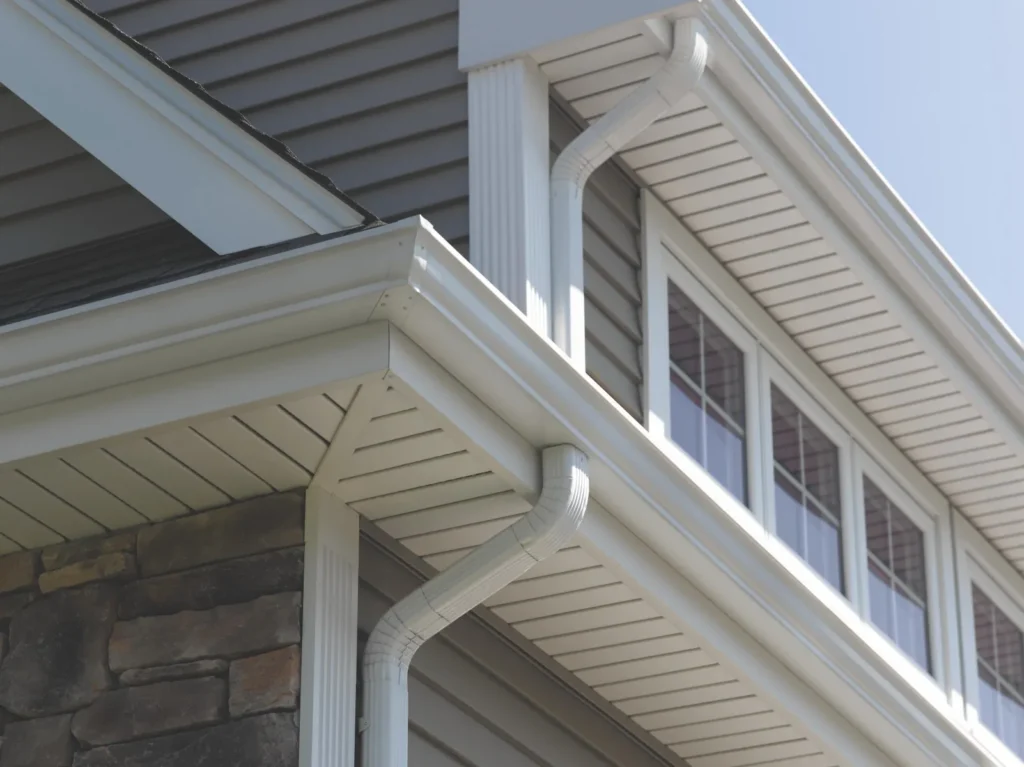
Soffit: Soffit J-channel seats against the fascia edge. When fascia bows, separates, or deteriorates at the soffit-to-fascia transition, the soffit panel loses its reference edge and begins to separate or gap — creating open pathways for moisture and pests into the attic space above.
Rafter tails: The rafter tails behind the fascia board are the first framing members to receive the moisture that compromised fascia allows in. Rafter tail deterioration is a structural consequence — it affects the integrity of the roof’s edge framing and the substrate quality for any future fascia installation. Ohio Roof Masters probes rafter tail condition on every fascia repair call, because a repair that doesn’t account for the framing behind it is a surface correction over an ongoing structural problem.
When Does Fascia Repair Make Sense — and When Doesn't It?
We Recommend Repair When:
- Damage is isolated to one or two sections — localized rot or blow-off rather than deterioration distributed across multiple elevations
- The rafter tails behind the damaged section are structurally sound — moisture hasn’t progressed into the framing
- Adjacent fascia sections are in good condition — mid-life material where targeted repair makes economic sense
- The moisture source is identifiable and correctable — failed drip edge, gutter overflow, or a discrete leak point that can be addressed alongside the repair
- The board isn’t separated from the rafter tails across its full run — structural detachment along a whole elevation signals replacement rather than repair
We Recommend Replacement When:
- Deterioration spans multiple elevations — the pattern signals end-of-material-life rather than a discrete event
- The board has been repaired before and the problem has returned — repeated repair in the same location means the underlying moisture dynamic hasn’t been resolved and the material is past the point where it can hold the correction
- Rafter tail damage is extensive — the structural repair scope behind a localized fascia fix approaches replacement cost
- The fascia is original wood on a home over 30 years old showing widespread softening — the material has absorbed decades of Ohio weather and the remaining serviceable life doesn’t justify targeted repair investment
What to Expect When You Call Us for Fascia Repair
Free Assessment: Board, Structure, and Moisture Source
We inspect the full fascia run, probe board condition at all visible damage areas, assess rafter tail condition behind the problem sections, and identify the moisture source that created or accelerated the damage. You receive a complete picture — with photos — before any scope is agreed.
Straight Recommendation: Repair, Partial Replacement, or Full Replacement
Based on findings, we give you a written recommendation with the reasoning and a scope priced by section. If localized repair is the right call, that's what we quote. If damage has progressed to where partial or full replacement is the better financial decision, we tell you that — with the evidence to show it.
Repair Execution: Source Fixed, Board Repaired, Finish Sealed
We address the moisture source first. Board sections are repaired or replaced as scoped, rafter tail conditions are addressed where needed, and aluminum wrap is applied over the repaired zone. Gutter attachment at the repair area is confirmed before gutters go back up.
Walkthrough and Documentation
We walk the repair with you, confirm all transitions are sealed, and provide warranty documentation at project close.
Why the Root-Cause Step Changes What Gets Fixed
The most common pattern in fascia repair failures is a board that was repaired without addressing what delivered moisture to it. New board, same drip edge gap. New aluminum wrap, same overflowing gutter running onto the same section. The result is a repair that looks correct and begins failing from the same mechanism before the warranty period is up. Ohio Roof Masters identifies the moisture source — drip edge condition, gutter overflow pattern, attic-edge condensation — before any board work begins. If the source can be corrected as part of the repair scope, it is. If it requires a separate scope, we tell you before you commit to the repair.
Fascia repair without checking what's behind the board is a surface correction over an unknown structural condition. Ohio Roof Masters probes rafter tail end condition at every repair section before quoting. If the rafter tails are sound, the repair is what it appears to be. If they've been absorbing moisture behind a compromised fascia board, you see that in photos with a clear explanation of what it means and what it would cost to address. No mid-project surprises.
There's more margin in a full fascia and soffit replacement than in a targeted repair. That incentive exists for every exterior contractor, and we're aware of it. Ohio Roof Masters recommends repair when the board damage is contained, the structure behind it is sound, and the repair makes financial sense relative to the material's remaining life. We recommend replacement only when the evidence — widespread deterioration, structural damage, repeated repair history — makes it the more sound decision. You get the honest call, not the more profitable one.
Gutters removed during a fascia repair go back up against a confirmed, sound substrate — not re-hung into the same compromised wood that caused the pull-away in the first place. Ohio Roof Masters is a full edge system contractor: when fascia and gutters are both in scope, we evaluate both and sequence the work correctly. If your gutters are at end of life at the same time as the fascia repair, we present that as a concurrent option rather than leaving you with new fascia and deteriorated gutters that need a separate call next season.
Ohio's wind events frequently cause partial or full fascia blow-off, and that damage is often covered under homeowners insurance. Ohio Roof Masters documents storm-related fascia damage with CompanyCam photo evidence and provides written scope tied to the damage assessment. We give you an honest evaluation of whether your situation qualifies as an insurance claim before you decide how to proceed, and we can coordinate the scope with your adjuster's evaluation if a claim is relevant.
Ohio Roof Masters has operated from the Miami Valley since 2017 with five physical office locations across Central and Southwest Ohio. Fascia repair is always assessed in the context of the adjacent systems — gutters, soffit, drip edge, rafter tails — because we're a full exterior contractor, not a trim carpenter. When you call about fascia, we look at the whole edge. If something adjacent needs attention, you hear about it in the same assessment rather than as a follow-up call after the work is done.
- What Our Customers Say
Real Reviews From Ohio Homeowners
We’ve earned our reputation one roof at a time. See why homeowners across Dayton, Troy, Springfield, and Sidney trust Ohio Roof Masters for their roofing needs.
EXCELLENTTrustindex verifies that the original source of the review is Google. A great experience! Marc's expertise is evident. Very respectful, professional, and knowledgeable. Answered every question I had.Posted onTrustindex verifies that the original source of the review is Google. Definitely 5 stars! Ohio Roof Masters is the best of the the best 👌 No hassle, no hidden costs. Marc was very accommodating, professional and communicative.Posted onTrustindex verifies that the original source of the review is Google. I have to say that Aaron Gearhart, my roofing specialist, directed this entire project very well. He worked with us against an extremely tight deadline to get us under roof just 1 day before the snow hit. I only gave him a few days notice, but they made it happen - when all the other 7 quotes I received said it would be 6-8 weeks to even start (or maybe not until next spring), Aaron and his crews had it done the very next week. Unbelievable save from these guys, as water had been leaking through to my master bedroom/bath unbeknownst to me until the day I called Aaron. He inspected everything as it was completed, probably 4 or 5 trips to my house, enough that I now consider him more than just my roof expert, but a good friend, after going through this together, he really saved the day and my whole fear of going into the winter with these leaks and water damage. Also, I cannot say enough praise for the 4 man crew that did the roof, or the 3 man crew that did my gutters/flashing/soffits, even the material delivery guys were great, and mostly these guys cleaned up/picked up every scrap of metal/wood/shingles from my entire yard without hesitation and without asking. Just wanted to leave my 2 cents on here in case it helps anyone who is on the fence about roof contractors, as I mentioned, I had selected Aaron's company after receiving different quotes from 8 different companies. Pricing was great, follow-up was great, they even scheduled a follow-up inspection 6 months ahead in the spring of 2026 just to make sure everything held up after the winter storms.Posted onTrustindex verifies that the original source of the review is Google. I had my roof replaced recently and the experience was fantastic. The crew showed up on time every day and worked efficiently without cutting corners. They were respectful of my property and cleaned up all debris before leaving. The roof looks great and I feel confident it will last for years. Excellent workmanship from start to finish.Posted onTrustindex verifies that the original source of the review is Google. I’m very pleased with the roofing service I received. The inspection was thorough and the estimate was fair. The team worked quickly and made sure everything was done correctly. I appreciated how they took the time to explain what needed to be fixed and why. I highly recommend their services to anyone needing roof work.Posted onTrustindex verifies that the original source of the review is Google. We had several leaks that other companies couldn’t seem to fix, but this contractor identified the real problem right away. They were knowledgeable, honest, and very skilled. The repair was completed in a timely manner and the leaks have not returned. It’s refreshing to deal with professionals who know what they’re doing.Posted onTrustindex verifies that the original source of the review is Google. From the first call to the final inspection, everything went smoothly. The roof was completed faster than expected and the quality is excellent. The workers were polite and kept the area neat throughout the job. I feel like I received great value and dependable service. Would absolutely recommend to friends and family.Posted onTrustindex verifies that the original source of the review is Google. Very satisfied with the entire experience! The crew showed up early, worked efficiently, and cleaned up completely afterward. The new roof looks beautiful and sturdy — you can tell it was done by pros.Posted onTrustindex verifies that the original source of the review is Google. I had a small leak repaired and was impressed by how quickly they responded. The technician was polite and explained what caused the issue. Affordable, honest, and reliable service — highly recommended!Posted onTrustindex verifies that the original source of the review is Google. Ohio Roof Masters transformed our home with a brand-new roof, and we couldn’t be happier. The entire process was smooth from start to finish. Excellent workmanship and outstanding customer service.
- Service Areas
Fascia Repair Across Central & Southwest Ohio
Five office locations across the Miami Valley and surrounding region mean local crews, faster response, and a company invested in the communities it serves.
Core Service Counties
Expanded Service Area
Not sure if we cover your area? Call (937) 418-7976 and we'll let you know right away.
Frequently Asked Questions
Fascia repair costs vary based on how many sections are affected, whether board replacement or surface wrap is appropriate, whether rafter tail repair is needed behind the board, and whether gutter reinstallation is part of the scope. Isolated section repairs are relatively modest — a few hundred dollars for a contained board repair with aluminum finish. Repairs that involve structural framing correction, multiple elevation sections, or drip edge replacement alongside the fascia scope range higher. Ohio Roof Masters provides a written estimate after the free assessment, with each component priced separately before any commitment.
Gutters pull away because the fascia board they're screwed into has softened and can no longer hold the hanger screws — not because the hangers have failed. Re-driving longer screws into the same softened wood produces the same result within one to two seasons. The structural solution is to repair or replace the fascia board first, confirm rafter tail condition behind it, install new board with solid fastener purchase, and rehang the gutters against that confirmed substrate. Ohio Roof Masters evaluates fascia board condition on every gutter pull-away call specifically because the sequence matters.
In most cases, localized section repair is possible if the adjacent board is in sound condition and the rafter tails behind the damaged area are structurally intact. We assess board condition and probe hardness across the full run during the free evaluation — if the damage is contained, we scope the repair to match. If adjacent sections show developing deterioration or the overall pattern signals end-of-life material, we'll tell you that and explain why full replacement is the better financial decision.
In most cases, yes — gutters need to come off along the affected elevation to access the fascia board behind them. Ohio Roof Masters removes and reinstalls gutters as part of the fascia repair scope. We use that access to evaluate gutter condition at the same time. If your gutters are already showing wear or have been pulling away from the same location, we present the option to address both at once rather than leaving you with a return visit in the same area within a few seasons.
Fascia damage caused by a qualifying storm event — wind blow-off, impact from falling debris, hail damage — is typically covered under homeowners insurance. Deterioration from age or deferred maintenance is not. If your fascia damage is storm-related, Ohio Roof Masters documents the damage with photos and can support your adjuster evaluation. We give you a straight read on whether your situation is likely to qualify before you decide how to proceed.
A targeted repair addresses a specific damaged section — removing a rotted board section, correcting a moisture source, replacing the damaged wood, and applying aluminum finish. An aluminum wrap over the full fascia run is a preventive or restorative measure applied across the whole elevation. Both end with aluminum on the face. The difference is scope: repair targets a discrete problem, full wrap ends the maintenance cycle across the entire run. The right approach depends on how much of the fascia run is compromised, which we determine during the assessment.
- Contact
If Your Gutters Are Pulling Away, the Fascia Behind Them Is the Reason
costs when the rafter tails behind it have absorbed enough moisture to require structural correction. And the repair that finds and fixes the moisture source — the drip edge gap, the overflowing gutter, the failed caulk at the roofline transition — costs a fraction of what it costs when the same damage reappears in the same location after the first repair held for one season.
The free assessment takes less than an hour. You leave with a clear picture of what’s failing, what’s behind it structurally, what caused it, and what fixing it specifically costs — with each scope item priced separately at published rates, before any commitment is made.
What Your Free Assessment Includes:
- Full fascia run inspection — board condition assessed by elevation
- Probe testing for board softness at all damage areas
- Rafter tail condition check behind affected sections
- Moisture source identification — drip edge, gutter, attic-edge conditions
- Gutter condition and attachment evaluation
- Soffit condition flag at the fascia-to-soffit transition
- Storm damage documentation if applicable
- Written estimate with each scope item priced separately
- Repair vs. replace recommendation with reasoning explained
- No commitment required — 7-day satisfaction guarantee after signing